

Introduction to Marine Insurance
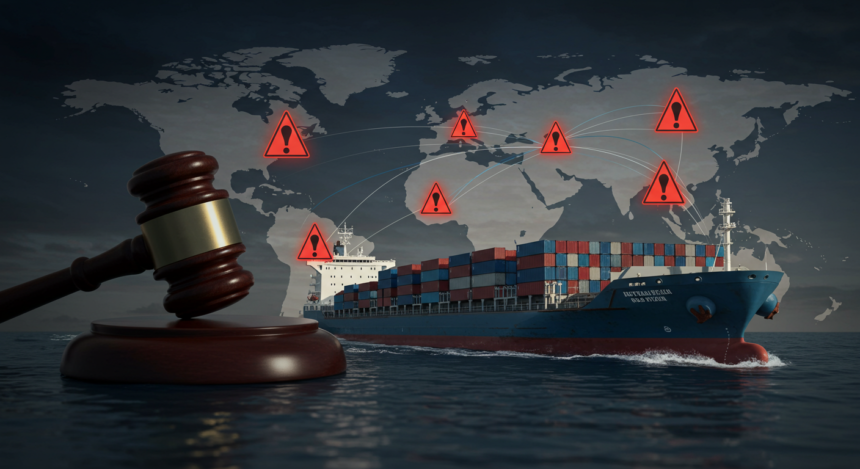
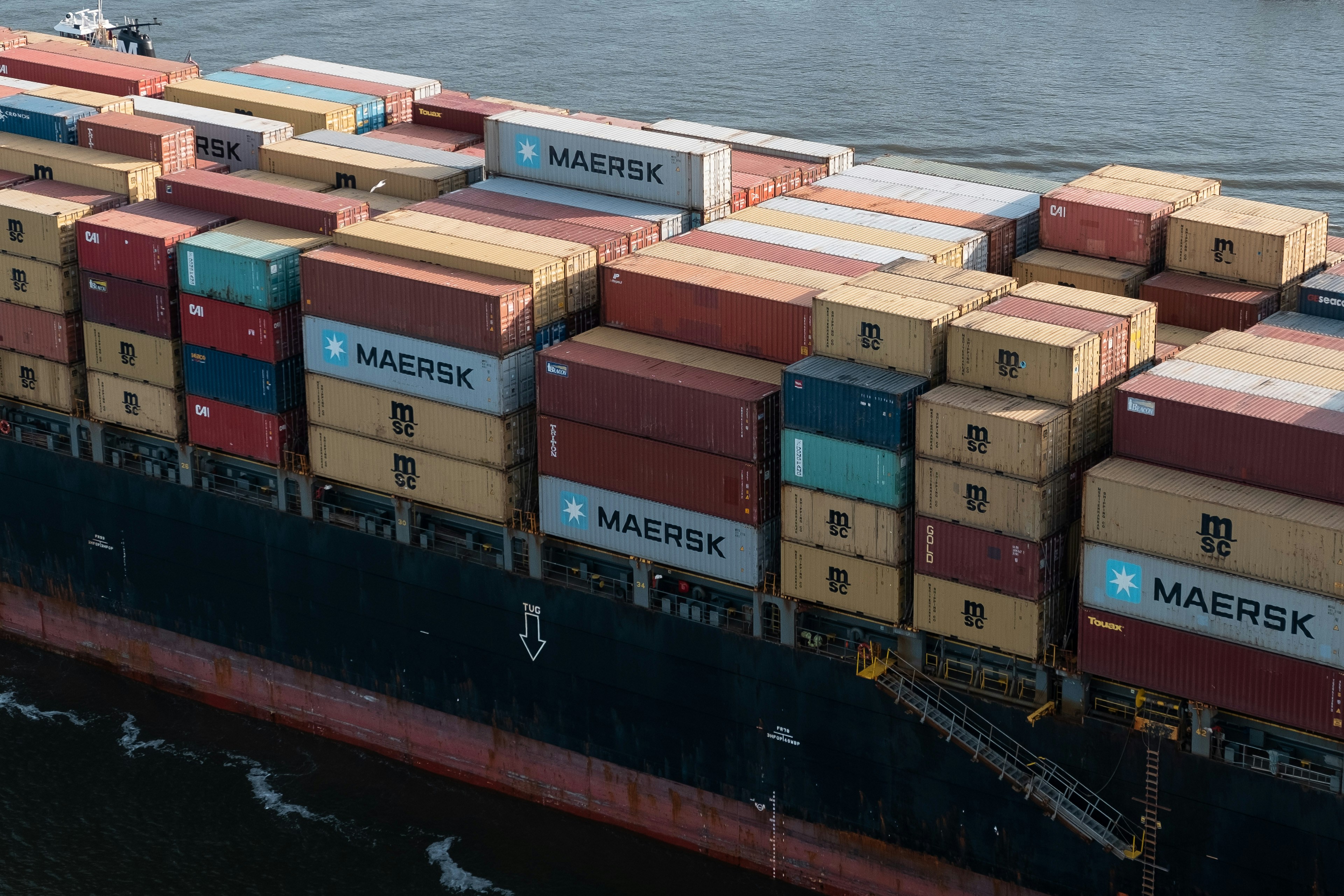
Marine insurance is a specialized branch of insurance that provides coverage for various types of marine-related exposures. Primarily, it focuses on the protection of ships, cargo, and other marine liabilities arising from maritime activities. This form of insurance is crucial for facilitating international trade and ensuring that both goods and vessels are safeguarded against a range of potential risks that may arise during transit.
Within the marine insurance framework, several types of coverage are available. Hull insurance protects the physical structure of a ship against perils like sinking, collision, and external damage. Cargo insurance, on the other hand, covers loss or damage to goods while they are being transported. Freight insurance serves to cover the cost of freight charges in case the shipment is lost or damaged. These coverage types are vital for businesses operating in areas like the Middle East, where geopolitical tensions, such as the Iran War and Gulf War, could pose substantial risks to maritime operations.
The functioning of marine insurance involves various stakeholders, including underwriters, insurers, and clients. Underwriters assess the risks associated with a shipment and determine the terms of coverage. Insurers, on their part, provide the financial backing to cover the potential losses specified in the insurance contract. Clients, which include shipping companies and traders, seek protection against risks that may threaten their maritime investments. Moreover, key principles governing marine insurance include indemnity, insurable interest, and utmost good faith. Understanding these principles is essential, particularly in the context of conflict situations that heighten the inherent risks of marine operations.
The Impact of War on Marine Operations
War has a profound impact on marine operations, particularly in regions like the Middle East where ongoing conflicts have created a volatile environment for maritime activities. When conflicts such as the Iran War and the Gulf War erupted, they introduced considerable risks to shipping routes and marine transportation, leading to heightened dangers for vessels operating in affected waters.
One significant aspect of war that disrupts marine operations is the increased likelihood of attacks on commercial shipping. For instance, during the Gulf War, a number of merchant vessels faced threats due to military engagements. Ships navigating through the Strait of Hormuz, a crucial waterway for global oil transportation, found themselves exposed to hostile activities, raising the urgent need for marine insurance to cover potential losses from damages or cargo destruction.
Moreover, wartime conditions often lead to substantial disruptions in supply chains. Ports can be closed or obstructed due to military operations, causing delays and costly rerouting of vessels. The economic implications are substantial—companies may experience significant losses as not only the value of the cargo is at stake, but also the operational costs incurred during such delays. For example, statistics from the past few decades indicate that conflicts in the Middle East have led to an increase in insurance premiums for marine operations, reflecting the higher risks associated with these routes.
Real-world examples serve to illustrate the dire consequences of war on marine operations. The shipping industry witnessed a marked decrease in trade volumes during periods of conflict, which necessitates a robust marine insurance framework. This ensures that stakeholders are prepared to mitigate risks associated with cargo loss, delay, or damage, ensuring that marine operations can continue despite the precariousness of wartime conditions.
Marine Insurance Challenges During Conflict
Marine insurance plays a crucial role in facilitating maritime trade, but it faces significant challenges during periods of conflict, such as the Iran War and Gulf War. Insurers in these regions must navigate a complex landscape characterized by instability and heightened risks. One of the foremost challenges is underwriting policies in unstable environments where geopolitical tensions can change rapidly.
The uncertainties inherent in conflict zones lead to increased insurance costs. Underwriters must factor in the potential for war-related incidents, which substantially raises premiums. This financial strain can complicate the accessibility of marine insurance, particularly for businesses reliant on shipping goods through strife-torn areas. As a result, some shipping companies may choose to forgo coverage altogether, exposing them to potentially devastating losses.
Claims handling is another significant concern for marine insurers operating during times of war. The nature of conflict often results in the destruction of vessels or cargo, complicating the assessment of damages. Insurers must ascertain whether the losses are directly attributable to the war, as this impacts the validity of claims. Moreover, differing international regulations and local laws can further muddle the claims process, making it challenging for insurers and policyholders alike to navigate the legal landscape.
Additionally, assessing risk in war zones is fraught with difficulties. Predicting potential threats from enemy actions or environmental hazards becomes nearly impossible, raising the stakes for marine insurance providers. The need for thorough risk assessments requires specialized expertise and localized knowledge, further contributing to the complexities of providing marine insurance in conflict-stricken regions.
Future Outlook for Marine Insurance in War-Prone Areas
As geopolitical tensions continue to shape the global landscape, the future of marine insurance in war-prone areas such as the Middle East presents both challenges and opportunities. The ongoing Iran War and the historical Gulf War have highlighted the vulnerabilities that marine operations face in conflict zones, necessitating a robust response from insurers. The dynamics of marine insurance will increasingly reflect the complexities of these environments, with evolving risks influencing policy structures.
One significant trend expected to impact marine insurance is the adaptation of underwriting processes to better account for security threats. Insurers may implement a more meticulous assessment of risk factors, leading to tailored policies that address the specific dangers of operating in war-affected regions. Increased premiums and specialized coverage options may become commonplace as insurers seek to balance risk with profitability. Furthermore, advancements in technology—such as satellite monitoring and real-time data analytics—will enable insurers to more accurately evaluate risks associated with maritime activities.
Additionally, the role of governments and international organizations in stabilizing insurance practices in conflict areas cannot be understated. Collaborative efforts may result in the establishment of frameworks that standardize marine insurance policies, promoting transparency and reducing the uncertainty that often plagues war-prone regions. Governments may also intervene to provide incentives for insurers willing to operate in high-risk areas, thereby ensuring the continuity of maritime trade despite adversities.
In conclusion, the future of marine insurance in areas affected by war seems poised for transformation. As insurers prepare to navigate the intricacies of an ever-changing geopolitical climate, they must remain vigilant in their efforts to adjust policies and practices accordingly. By embracing innovation and cooperation, stakeholders can foster a resilient marine insurance sector that addresses the challenges posed by conflict while facilitating vital maritime trade.