

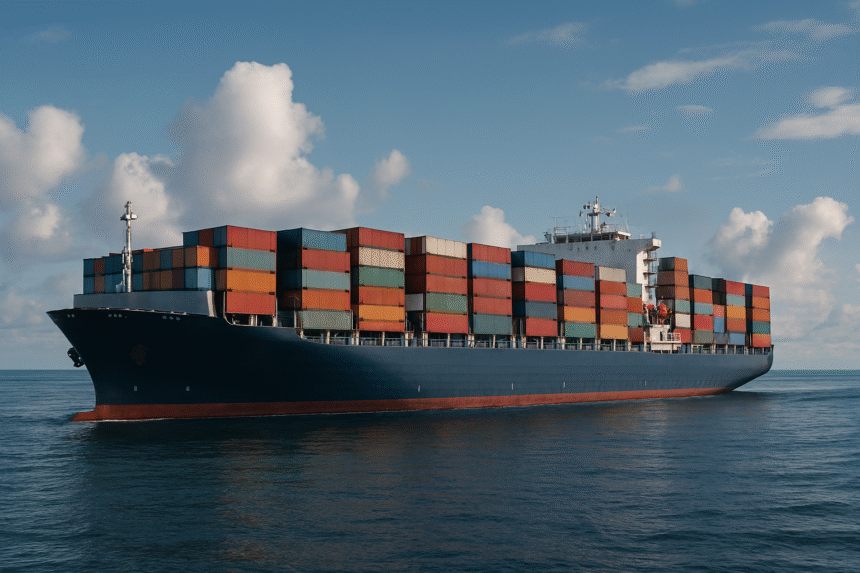
What are Open Cargo Policies?
Open cargo policies are specialized insurance products designed to cover goods in transit, providing comprehensive marine cargo coverage for businesses involved in shipping and logistics. Unlike traditional cargo insurance, which typically covers single shipments on an individual basis, an open cargo policy offers broader and more flexible coverage options. This policy is ideal for businesses that frequently ship goods, allowing for multiple shipments under a single insurance agreement. It eliminates the need for individual policies for every shipment, thus providing substantial time and cost savings.
One of the key features of open cargo insurance is its flexibility. Businesses can decide on the duration of coverage, which may be tailored to fit their shipping schedules. Additionally, the policy encompasses a wide range of goods, from raw materials to finished products, thereby catering to a diverse array of industries. This flexibility not only simplifies the insurance process but also aligns coverage with the specific needs of the business, leading to enhanced operational efficiency.
Moreover, open cargo policies offer significant cargo policy benefits that traditional options may not provide. For instance, businesses can adapt to market demands without constantly revising their insurance arrangements. This adaptability is particularly useful in rapidly changing markets, where shipping schedules and cargo types may vary frequently. To acquire an open cargo policy, companies typically need to provide documentation such as shipping schedules, the types of goods being transported, and their estimated value. Insurers may require evidence of prior shipping history to assess risk accurately and determine appropriate coverage limits.
Overall, open cargo policies represent a strategic solution for businesses engaged in regular shipping activities, ensuring they remain protected while also enjoying the convenience of extensive coverage.
Target Audience for Open Cargo Policies
Open cargo insurance caters to a diverse array of clients within multiple sectors, primarily benefiting industries reliant on international trade and logistics. The ideal target audience for open policies encompasses freight forwarders, logistics companies, and international trade businesses. These entities often embark on numerous shipments across varying routes, creating a compelling need for comprehensive marine cargo coverage that adapts to fluctuating shipment volumes and values.
Freight forwarders, who manage the shipping process for various clients, find open cargo insurance particularly advantageous. This group frequently encounters diverse and unpredictable shipping needs, establishing a strong case for a cargo policy that offers flexibility and broader coverage contexts. Open policies allow them to secure a consistent insurance solution that is not bound by individual shipments, alleviating administrative burdens and enabling efficient risk management strategies.
Similarly, logistics companies operate in a fast-paced environment where shipment timelines and cargo values can shift rapidly. By opting for open cargo insurance, these organizations can safeguard multiple shipments under one overarching policy. This not only simplifies their insurance management but also ensures they remain covered against potential losses during transit. Given the global scale of logistics operations, having a unified marine cargo coverage solution significantly enhances operational ease and reduces risk exposure.
Additionally, businesses engaged in international trade benefit greatly from open cargo policies. These enterprises often export and import diverse goods regularly, necessitating a robust insurance model that can adjust in line with changing trade dynamics. The ability to provide ongoing coverage for varied shipments helps mitigate risks tied to customs, transitory handling, and unforeseen delays. Hence, the unique demands and complexities of these sectors position open cargo policies as a preferred choice over traditional cargo insurance solutions.
Advantages of Open Cargo Policies
Open cargo insurance has gained prominence in recent years due to its numerous benefits tailored for businesses involved in international trade. One of the most significant advantages is its cost-effectiveness. Companies that frequently ship goods can benefit from lower premiums compared to traditional cargo policies that require specific coverage for each shipment. By securing marine cargo coverage through an open policy, businesses can optimize their insurance expenses while ensuring appropriate protection for all cargo transported throughout the policy duration.
Moreover, an open cargo policy encompasses a wide array of shipments under a single insurance umbrella. This comprehensive approach streamlines the administrative processes involved in insurance management. Instead of having to negotiate and secure individual policies for each shipment—an often time-consuming and cumbersome process—businesses can focus on a single open policy that covers multiple shipments. This aspect is particularly beneficial for organizations with varied shipping schedules and those that move goods continuously over a period. The efficiency gained by consolidating coverage into a single document allows for improved logistics management and operational flexibility.
Additionally, the claims processing associated with open cargo insurance tends to be smoother and more efficient than with standard policies. When a claim is filed within the parameters of a cargo policy, it often experiences expedited handling due to the overarching nature of the open policy. This swift claims process reduces downtime and financial strain on businesses awaiting reimbursement for lost or damaged goods. Furthermore, real-life examples illustrate how businesses have experienced substantial reductions in administrative headaches and enhanced financial resilience by opting for open cargo policies. Such policies not only address the immediate needs of shipping and logistics but also support long-term strategies for managing operational risk.
How to Choose the Right Open Cargo Policy
Choosing the right open cargo insurance is a critical task for businesses engaged in transporting goods. A well-structured marine cargo coverage can mitigate potential losses during transit, but selecting the most suitable policy requires careful consideration of various factors. First and foremost, evaluating coverage limits is essential. Businesses should assess the value of the goods being transported and choose a policy that provides adequate financial protection. The coverage limits should align not just with the current needs, but also account for future growth and increased cargo value.
Understanding the exclusions within a cargo policy is another significant consideration. Different policies may offer varying levels of coverage regarding natural disasters, theft, or specific types of damages. Therefore, it is imperative for businesses to thoroughly review policy exclusions to ensure they are not left vulnerable during shipping operations. This step will help in selecting a policy that covers the specific risks associated with their goods and transportation methods.
In addition to coverage limits and exclusions, assessing the reputation of insurers is vital. Businesses should conduct research to gauge the reliability and financial stability of potential insurers. Reading customer reviews, checking ratings from independent agencies, and seeking recommendations from industry peers can provide valuable insights into the insurer’s performance regarding claims processing and customer service.
Ultimately, aligning policy terms with specific business needs is crucial. Each business may face unique shipping challenges, thus requiring tailored coverage options. A thorough evaluation of these factors will enable businesses to make informed decisions when selecting an open cargo policy that not only safeguards their interests but also enhances operational efficiency. Prioritizing research and detailed analysis will lead to better outcomes in risk management through marine cargo coverage.